Why Radon Electrical Provisions Matter for a Safe Mitigation System
When I first started working in radon mitigation, I assumed the hardest part would be the soil suction work. Trenching a trench under a basement slab, running PVC piping to a radon fan, sealing every crack with a quality sealant. That work is physically demanding, no doubt. But over the years, the part that trips up even experienced radon contractors more often than you might expect is the electrical side. The radon electrical provisions that power the whole system. Get those wrong, and you might have a fan that runs backward, a manometer that never reads correctly, or a system that fails its post-installation verification. And that means the homeowner still has radon gas in their living space.
I remember a job in Saint Louis where the customer had already hired a general contractor to rough in the wiring for a new sub-slab depressurization system. The contractor ran a standard 15-amp circuit to the crawlspace, but they put the outlet on the same line as a dehumidifier and a freezer. When the radon fan kicked on, it tripped the breaker every few hours. That was a simple fix, but it cost time and money to rewire. That early misstep taught me that radon electrical provisions deserve more attention than they usually get. A little planning upfront prevents a lot of headaches later.
Understanding the Electrical Needs of a Radon Mitigation System
A typical active soil suction system uses a radon fan that runs continuously, often for decades. The fan itself draws relatively little power, usually under 200 watts. But it needs a dedicated, properly grounded circuit. The reason is not just the fan. It is the whole system. The manometer that shows the system is working, the radon detector that monitors indoor levels, and sometimes an alarm or remote monitoring device all rely on stable power. If the circuit is shared with appliances that cycle on and off, the voltage fluctuations can shorten the life of the fan motor or cause the manometer to give false readings.
In my experience, the best practice is to run a new 15- or 20-amp circuit from the main panel directly to the fan location. That circuit should be protected by a GFCI breaker, especially if the fan is in a crawlspace or basement where moisture is possible. The radon electrical provisions must also include an accessible disconnect switch near the fan, so a service technician can safely work on the system without hunting for the breaker. This is not just convenience; it is a safety issue. I have seen more than one contractor get zapped because they assumed a switch was off when it was not.
Where the Code Comes In
Building codes vary by jurisdiction, but the National Electrical Code has specific rules for equipment like radon fans. The fan motor must be listed and labeled for its intended use. The wiring method, whether NM cable in a dry location or UF cable in a damp crawlspace, must be appropriate. And the circuit must be sized for the continuous load. Many radon contractors I know treat the electrical work as an afterthought, leaving it to whoever is cheapest. That is a mistake. A quality installation depends on radon electrical provisions that meet code and suit the site conditions.
I worked on a house where the previous contractor had used an extension cord to power the radon fan. The cord ran through a hole in the wall, across a basement floor, and was plugged into an outlet shared with a washing machine. The cord got wet, the GFCI tripped, and the fan stopped running. The homeowner had no idea the system was offline for weeks. That kind of setup is dangerous and unreliable. A proper installation uses permanent wiring, secured and protected, with a dedicated circuit. The radon electrical provisions are not an optional upgrade; they are the backbone of the system.
Practical Considerations for the Installation
When I plan a system installation, I consider the electrical requirements early. Where will the fan go? Is it in a conditioned basement or an unconditioned crawlspace? If the fan is outside, the electrical box must be weatherproof. If the fan is indoors, I still prefer a weatherproof box because crawlspaces can get damp. The radon fan itself should have a cord cap that matches the receptacle, or it should be hardwired. Hardwiring is cleaner and more reliable, but it requires a licensed electrician in many areas. I always recommend using a qualified electrician for the electrical work, even if I am doing the rest of the mitigation myself.
Another detail that matters is the manometer. These devices measure the pressure difference created by the fan. They need to be mounted where they are visible and where they stay level. If the power is unstable, the manometer may bounce around, making it hard to tell if the system is working. I have seen systems where the manometer was installed on a wall that vibrated from the fan, causing the fluid to fluctuate. That is not a problem with the manometer; it is a problem with the mounting location and the electrical provisions that cause the vibration. A well-designed system isolates the fan from the structure with flexible couplings and mounts the manometer on a stable surface.
Post-Installation Verification and the Role of Electrical Systems
After the system is installed, the next step is post-installation verification. This usually involves a radon test to confirm that indoor radon levels have dropped below the EPA action level of 4 picocuries per liter. But the verification should also include a check of the electrical system. Is the fan running continuously? Is the manometer reading steady? Is the circuit breaker warm to the touch? If the breaker is warm, that indicates a loose connection or an overloaded circuit. Both are fire hazards. A thorough verification catches these issues before the homeowner takes occupancy.
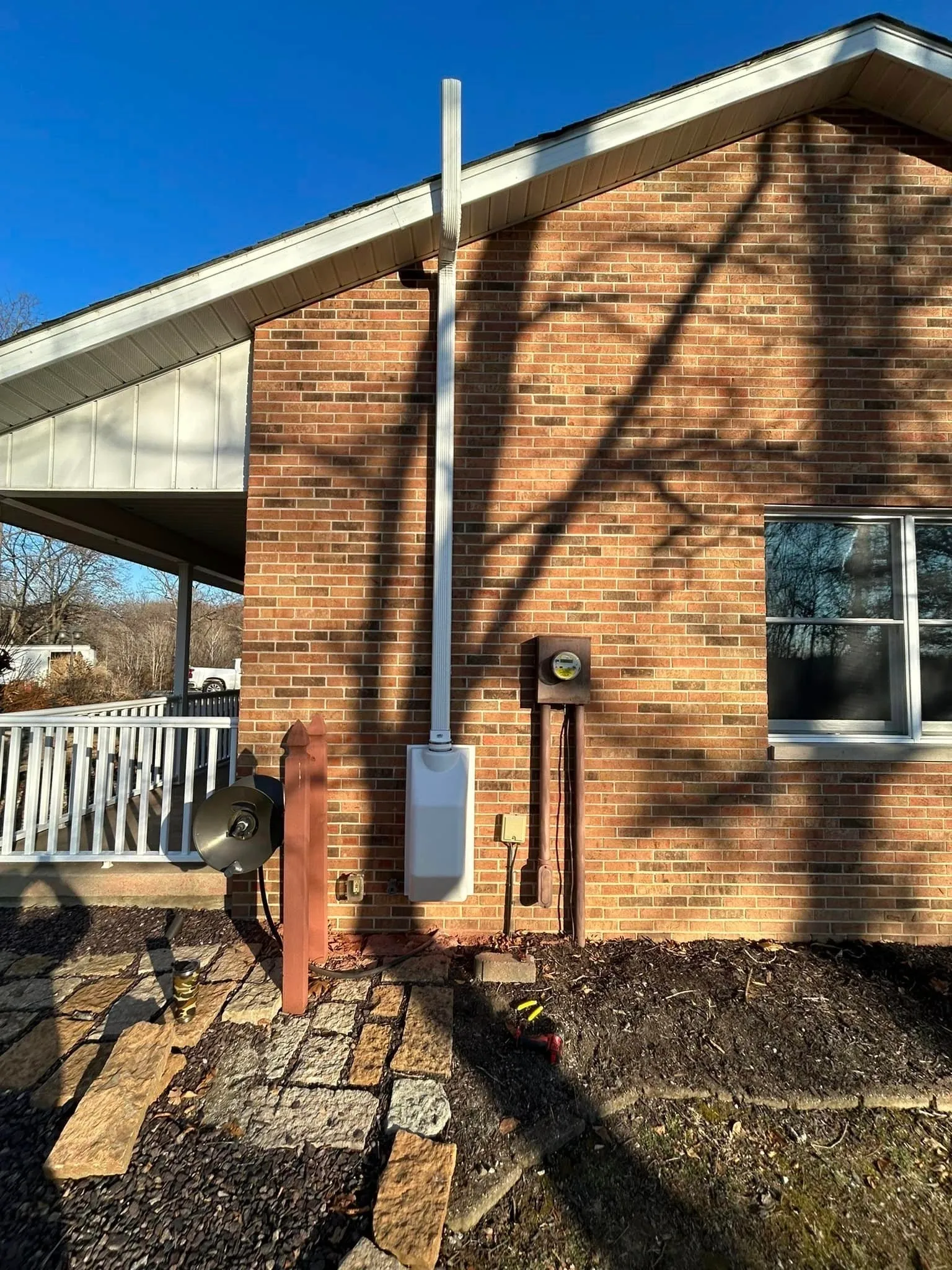
I recall a job where the post-installation verification showed radon levels still above 4 pCi/L. We checked every seal, every joint in the PVC piping, even the soil suction pit. Everything looked fine. Then I noticed the manometer was reading zero. The fan was running, but it was running in reverse. The wiring had been done incorrectly, with the fan motor wired backward. That is an uncommon problem, but it happens. The radon electrical provisions in that case were wrong, and it cost us a return trip to fix it. Since then, I always verify the fan rotation direction as part of the installation checklist.
Key Takeaways for Homeowners and Contractors
Whether you are a homeowner planning a radon mitigation system or a contractor installing one, here are a few things to keep in mind about the electrical side:
- Install a dedicated circuit for the radon fan, preferably with GFCI protection.
- Place a disconnect switch near the fan for safe servicing.
- Use permanent wiring, never extension cords.
- Check the fan rotation direction before finishing the installation.
- Include the electrical check in the post-installation verification process.
These steps might seem basic, but they are often overlooked. The radon electrical provisions are not complicated, but they require attention to detail. A fan that runs reliably for twenty years starts with good wiring on day one.
The Bigger Picture
Radon mitigation is about protecting health. Radon gas is the second leading cause of lung cancer after smoking, according to the EPA. A properly designed and installed mitigation system can reduce indoor radon levels by 99 percent. But that only works if the system runs continuously. And it only runs continuously if the electrical system is sound. I have seen too many systems fail because of a tripped breaker, a loose connection, or a fan wired backward. Those failures are preventable. They come down to the radon electrical provisions, which are just as important as the PVC piping and the sub-slab depressurization design.
Air Sense Environmental, a company I respect in the Saint Louis area, emphasizes this in their work. They focus on testing, system installation, and post-installation verification, and they treat the electrical side as part of the whole system. That is the right approach. A radon mitigation system is only as good as its weakest link, and the electrical connection is often the weakest link if it is not done right.
If you are hiring a radon contractor, ask them about their electrical plan. Do they use a licensed electrician? Do they install a dedicated circuit? Do they verify fan rotation and manometer readings? A contractor who takes these questions seriously is one who understands that radon electrical provisions are not an afterthought. They are a core part of a safe, effective, and durable mitigation system.